
How Business Cards Still Matter In The Digital Age
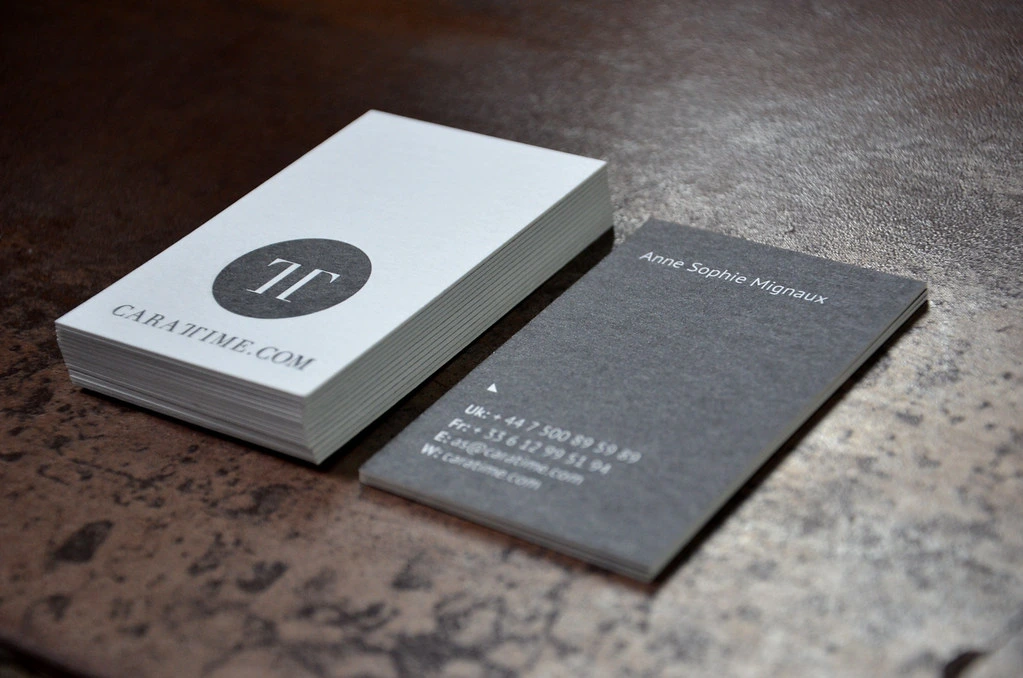
A business card is a tool that can connect with physical media that digital media sometimes can’t. That will help make an impression, promote your brand, and provide a lasting memory for everyone you meet. In a world of digital communication, a thoughtful card can make a lasting impression beyond a phone number. This blog is a guide that helps you explore why business cards are still important in this digital age.
If you scroll through any networking event today, you’ll see people exchanging LinkedIn profiles with a quick QR code scan or adding contacts straight into their phones. This way of networking will feel fast, efficient, and perfectly suited to the digital world. That is why an obvious question has been raised: do business cards still have a place? The answer is yes, and for multiple reasons, it has gone beyond tradition.
Why Business Cards Continue to Hold Value
Digital marketing platforms are continually evolving, but people still remember experiences that involve something they can hold physically. Professionals introduce themselves with business cards in UAE and add a personal touch, reinforcing credibility and professionalism.
1. First Impressions Last Longer
Your audience may build their opinions within just a few seconds of meeting you.
The first few seconds of meeting someone often shape their opinion. If you hand over a professionally designed business card, it shows preparation and attention to detail. It helps to tell the other person that you take your work seriously and value professional relationships.
You meet a potential client at a conference presentation, for instance. You share ideas, provide answers to a few questions, and conclude the conversation by passing over a clean, memorable card. That little gesture helps them to remember both your name and your business when they look back at the contacts they’ve gathered later.
2. A Physical Reminder in a Digital World
The number of digital contacts adds up rather fast. Most people don’t browse through hundreds of saved names unless they’re looking for a particular name. The rules for business cards are different.
Your name remains on a card and is visible long after the end of the meeting, whether it’s on top of a desk, in a notebook, or on a bulletin board. That visibility alone makes for more chances in the future to communicate without a second email or social media notification.
3. They Strengthen Brand Identity
Each design element says something about your business. You should choose those colors, typography, logo, paper quality, and layout that contribute to your professional image.
When it comes to business cards, a luxury business will opt for thick matte cardstock that is minimally designed, while a creative agency can choose bold colors and unusual finishes. These details help to establish brand personality before any further discussion.
4. Business Cards Build Trust
In the world of professionalism, it is all about preparation. When asked for contact information, give them your polished business card; this shows you are organized and self-assured.
People often feel more comfortable and confident working with those businesses that appear established. If you choose a quality card, you can reinforce that perception and make future communication simple.
How Business Cards Complement Digital Networking
Business cards are not competing with technology now, but they are working with it. They help to bridge the gap between face-to-face conversations and online communication in very effective ways.
- QR Codes Create Instant Connections
Modern business cards are evolving continuously and integrating technological advancements. Businesses are adding a QR code that allows someone to scan your card and instantly access your website, portfolio, booking page, or LinkedIn profile. This combination of a QR code and a business card delivers the best of both worlds. People often use metal business cards to incorporate these features. If you use a physical card, it captures attention and provides convenience and immediate access to additional information through a digital experience.
- Networking Events Become More Productive
Large conferences move quickly. Conversations are often brief, making it difficult to remember everyone afterward. Business cards simplify this process. This helps you to provide verified contact information instead of wasting time searching for someone on social media and hoping to get the right profile. It saves time and reduces missed opportunities.
- They Encourage Genuine Conversations
Exchanging business cards naturally slows down the interaction for a moment. This brief pause often leads to additional questions, shared interests, or discussion about the company’s services. If you hand over a card, it creates a more personal exchange that people often remember, rather than just tapping phones together and scanning a code from across the room.
- They Reach Every Audience
Some people do not prefer digital networking, and these clients still appreciate traditional communication methods, particularly in industries such as finance, law, real estate, healthcare, and consulting. If you have business cards available, it shows that you are prepared for every type of professional interaction instead of just relying entirely on technology.
Steps to Make Your Business Cards More Effective
It is not enough to simply carry business cards. All of its features, including the design, quality, and how you distribute them, influence how successful they can be as networking tools.
1. Maintain A Clean Design
It is best not to stuff the card with too much detail. Must include your name, title, company, phone number, email address, website, and logo, and leave enough white space for readability. Create a new layout that looks more professional and makes it easier for the recipient to locate important information.
2. Invest in Quality Materials
Thin cards and flimsy cards tend to be thrown away. Premium card stock, textured finishes, subtle embossing, or envelope printing online make a big statement without being too much. Many people appreciate quality by feel as well as sight, and that is what can make your business memorable.
3. Add Digital Features
Digital elements are also becoming a common part of business cards, such as a QR code that sends people to your portfolio or an appointment planner, online store, or professional profile. This little addition can make a standard card a dynamic marketing piece without adding to the complexity of the networking process.
4. Share Them Strategically
It is not crucial to hand out your cards to everyone you meet. It is appropriate to provide one after a significant discussion or when there is a true interest in your services. This approach will make the exchange feel natural instead of promotional and increase the likelihood that the recipient will keep the card.
Frequently Asked Questions
1. Should I include a QR code on my business card?
Yes, you should add a QR code to make it easy for people to access your website, portfolio, LinkedIn profile, or booking page, which helps you to combine traditional networking with modern convenience.
2. What information should I add to a business card?
It is better to keep it simple. You should include your name, job title, company name, phone number, email address, website, and logo. It is ideal to add a QR code as it can support your networking goals.
3. How many business cards should I carry with me?
It is usually enough to carry 20 to 30 cards for meetings, conferences, and unexpected networking opportunities without taking up much space.
Final Thoughts
Over the years, business cards have undergone a number of technological advancements because nothing can beat a physical, memorable connection. They have the ability to build credibility, enhance brand awareness, and make networking more personal. They do not replace digital platforms, but modern business cards add value through thoughtful design and features such as QR codes and online profiles.
If you use them strategically, they can become more than contact information. They become a part of your brand and a conversation starter. Your well-designed business cards remain a smart investment, whether you’re attending conferences, meeting clients, or growing your professional network. Ask this simple question when you introduce yourself the next time: Will people remember your name tomorrow, or will business cards help them remember?

Rayan Al Mansoori is a premium print specialist at LuxuryBusinessCards.ae, focused on crafting statement-making corporate stationery for the UAE’s elite market. From luxury metal and textured paper cards to refined letterheads, envelopes, sleeves, and event invitations, he understands the fine details that define true sophistication. Through his blogs, Rayan shares valuable insights on materials, finishes, and design trends, helping professionals invest in stationery that reflects prestige, confidence, and lasting impact. Stay connected for some amazing tips and guides from Rayan to elevate your business cards.